



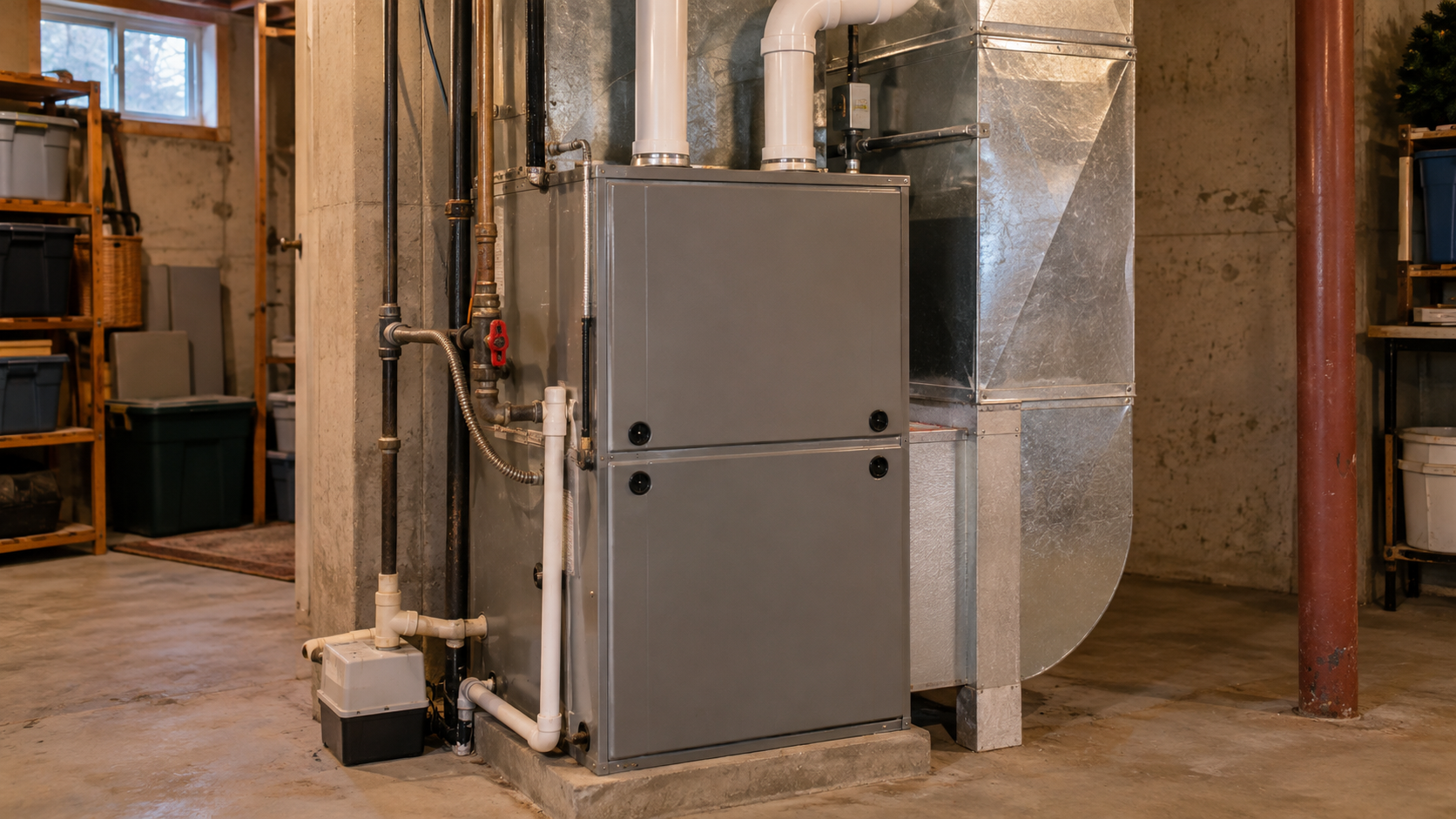
Furnace short cycling is when your furnace turns on, runs for a little while, shuts off, and then fires right back up, usually before the house ever gets to the temperature you set. You’ll probably hear it before you feel it. The inducer fan kicks on, the burners light, and a few minutes later (sometimes a few seconds later) everything goes quiet again.
Something is cutting the heating cycle short. Most of the time it’s a safety switch reacting to a problem like overheating or a blocked vent. Less often, the thermostat is getting a bad reading, or the furnace is simply too big for the house.
How the cycle ends tells you a lot. Here’s how to read it, what you can check on your own, and when it makes sense to have someone look at it.
Is It Short Cycling or Just Normal Cycling?
Every furnace turns on and off throughout the day. That part is normal. How often it happens depends on how cold it is outside, how well the house holds heat, and how the thermostat is set up, so there’s no magic number of minutes that makes a cycle “too short.”
What matters is whether the furnace finishes the job. On a mild October afternoon, short runs with long breaks in between are fine as long as the house stays comfortable. In January, a furnace that’s sized right should run for long stretches. If yours keeps stopping and starting while the rooms stay cool, or the temperature drifts up and down all evening, that’s short cycling.
You may notice a few other things along with it. The air from the vents goes warm, then cool, then warm again. The furnace sounds like it’s restarting over and over. And the gas bill creeps up even though the house doesn’t feel any warmer.
What the Shutdown Tells You
Next time it happens, stand near the furnace and watch one full cycle. You’re looking for the moment it quits.
It shuts off a few seconds after the burners light. This usually points to the flame sensor. The burners light, the control board can’t confirm there’s a flame, and it cuts the gas as a precaution. Then it tries again.
It runs a few minutes, then the burners go out but the blower keeps going. The furnace is getting too hot, and a high-limit switch is shutting the burners off to protect it. Restricted airflow is the usual cause.
The inducer fan runs, but the burners never light. Before it lights, the furnace checks that its venting is clear, and something is failing that check. On a high-efficiency furnace, look at the vent pipes outside and the condensate drain.
The cycles sound normal, they’re just short and frequent. The house warms up fast, the furnace shuts off, and the temperature falls again soon after. That pattern usually means the furnace is oversized or the thermostat is giving it the wrong idea.
This isn’t a diagnosis. Furnaces vary, and a couple of these can overlap. But it’ll tell you (and your technician) where to start.
The Most Common Causes
A dirty filter or blocked airflow
A furnace needs air moving across its heat exchanger to carry heat away. Choke off that airflow and the heat stays trapped in the cabinet until the limit switch trips. The blower runs until things cool down, the burners relight, and the whole thing repeats.
A clogged filter is the usual suspect, and it’s the cheapest fix there is. If the filter looks clean, think about what else could be in the way: closed registers, a couch pushed up against a return grille, or a dirty blower wheel or cooling coil. Shutting the vents in rooms you don’t use seems like it should save money, but it actually works against the furnace by cutting the airflow it depends on.
A dirty flame sensor
The flame sensor is a thin metal rod that sits in the burner flame. Over time it picks up a coating that weakens its signal to the control board, and the board starts shutting off the gas because it can’t tell the burners are lit.
After a few failed tries, a lot of furnaces lock out for a while before trying again. Cleaning or replacing the sensor is usually a quick, inexpensive repair. It means working inside the burner compartment, though, so leave this one to a technician.
A blocked vent pipe or condensate drain
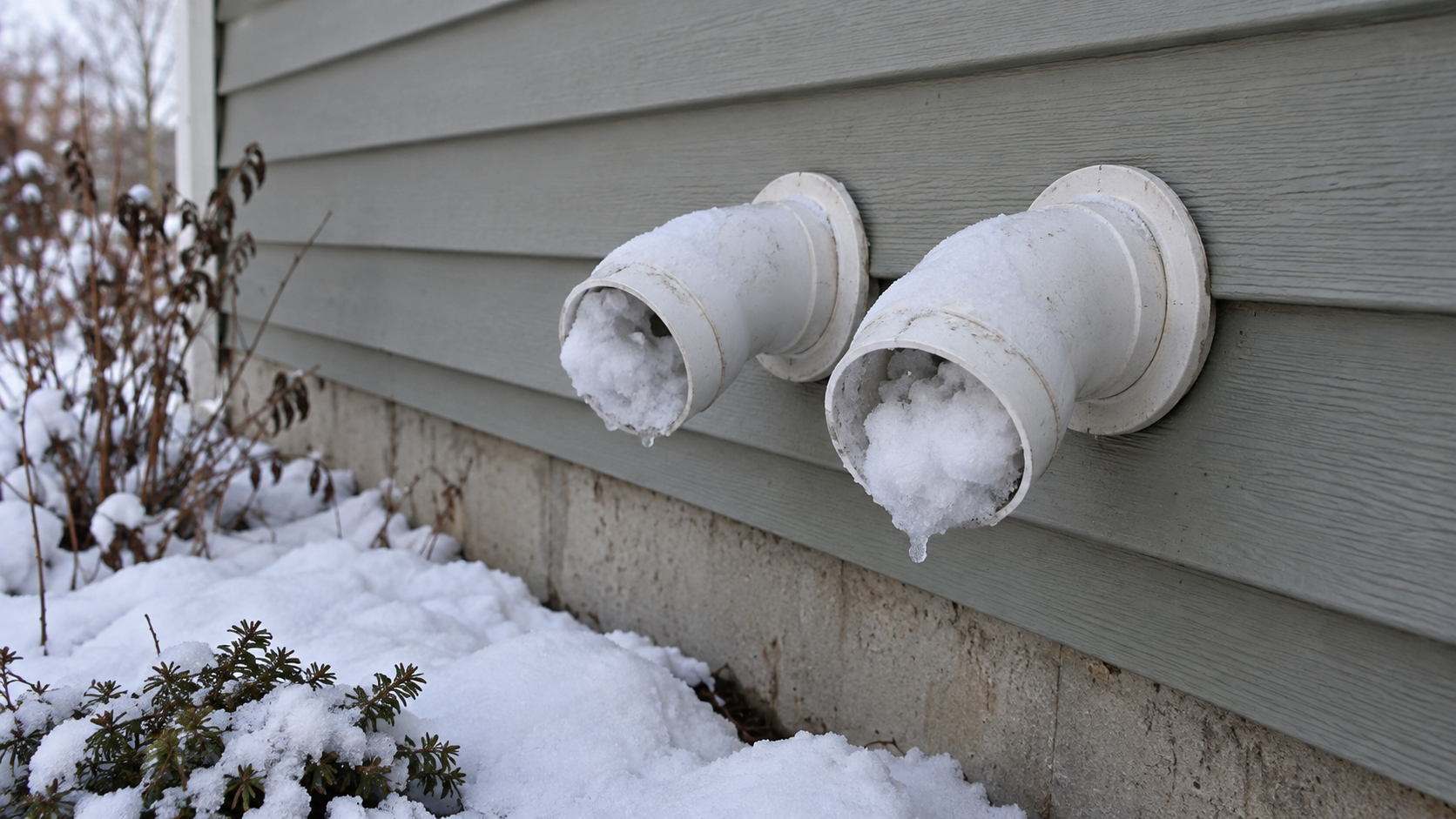
If you have a high-efficiency furnace, you’ll see two white PVC pipes coming out the side of the house. One brings in air for combustion, and the other carries exhaust out. Before the burners light, a pressure switch confirms that both are flowing. Snow, ice, leaves or a bird’s nest can block them. So can a clogged condensate drain, since these furnaces make water as they run.
After a heavy or blowing snow in the northwest suburbs, those pipes are one of the first things to check, especially if they sit low on the wall.
Thermostat placement or setup
Your thermostat only knows the temperature on its own patch of wall. Mount it next to a supply register, in a spot that gets afternoon sun, or near the kitchen, and it’ll decide the house is warm well before it really is.
Setup matters too. Many programmable and smart thermostats have an installer setting that controls how often the system is allowed to cycle, and it should match the equipment you have. Dying batteries and loose wires can cause on-and-off behavior as well. If you’re shopping for a new one, our thermostat options page explains what works with which systems.
A furnace that’s too big for the house
With furnaces, bigger isn’t better. An oversized one heats the area around the thermostat so quickly that it shuts off before the far rooms have warmed up. Then the temperature drops and it starts over. You’ll usually notice uneven rooms along with the short runs.
This often happens when a replacement furnace is picked to match the old one’s size, even though the house has had new windows or insulation since. That’s why we size every furnace installation with a load calculation. Two-stage and variable-capacity furnaces help here too, since they spend most of the winter running on a lower setting instead of going full blast every time.
Other failing parts
A weak inducer motor, a failing pressure switch, a control board fault, or a blower that isn’t moving enough air can all end a cycle early. From the outside, these look a lot like the causes above. That’s why they need to be tested before anyone replaces a part.
Can You Just Live With It?
If the house is still mostly warm, it’s tempting to ignore it. We wouldn’t. Every start wears on the igniter, the inducer motor, the blower motor, and the controls, and a furnace that starts far more often than it should goes through those parts faster. It usually uses more gas, too.
Then there’s the reason behind it. If a safety switch is shutting the furnace down because it’s overheating or the venting isn’t clear, that problem won’t fix itself. More often it gets worse until the furnace locks out completely, and that tends to happen when it’s working hardest, during a cold snap.
What You Can Check Yourself
None of these steps require opening up the furnace.
- Swap the filter. If it’s gray, or you can’t remember the last time you changed it, put in a new one of the right size.
- Walk the house. Open any closed registers and make sure nothing is sitting in front of a return grille.
- Look at the thermostat. Is it near a register, a lamp or a sunny window? Replace the batteries if it takes them.
- Check the vent pipes outside. Both PVC openings should be clear of snow, ice and debris.
- Look for water. Water on the floor near the furnace can mean a clogged condensate drain.
- Write down the status light code. Many furnaces have a small blinking light you can see through the lower panel. Count the blinks and compare them to the chart inside the furnace door.
If the furnace still short cycles after all that, stop there. Resetting it again and again won’t fix anything, and it just adds more wear.
When to Call for Service
Give us a call if the short cycling continues with a clean filter and open vents, if the burners shut off within seconds of lighting, or if the furnace is locking out or flashing a fault code. The same goes for water around the furnace, a burning smell, loud banging at startup, or a house that can’t keep up on cold days.
A few situations come before any service call. If you smell gas, get everyone out of the house without flipping switches or using phones inside, then call Nicor Gas at 1-888-642-6748 or 911 once you’re outside. If your carbon monoxide alarm goes off, get everyone outside and call 911. Don’t run the furnace again until it’s been inspected.
Furnace Short Cycling FAQs
Is furnace short cycling dangerous?
Usually it means a safety control is doing its job, so the short cycling itself isn’t the danger. What caused it might be. Overheating and blocked venting both need to be found and fixed. If you also notice a gas smell, soot around the furnace, or a carbon monoxide alarm, treat it as an emergency.
Can a dirty filter cause short cycling?
Yes, and it’s one of the most common reasons. If a fresh filter doesn’t stop it, the airflow problem is somewhere else in the system.
Do I need a new furnace?
Probably not. Filters, flame sensors, drains, and thermostat problems are all repairable. Replacement really only comes up when the furnace is badly oversized, or when an older unit with a history of problems needs a major repair. If both options make sense, we’ll show you the price of each and let you decide.
Have Pure Comfort Take a Look
When we come out for a short-cycling furnace, we follow the heating sequence step by step to find exactly where each cycle stops, then check the airflow, venting, and thermostat around it. You’ll know what’s wrong and what it costs before we start any work. The diagnostic is $75, or $99 on evenings, weekends, and holidays. Learn more about our furnace repair service.
A lot of what causes short cycling, like a dirty flame sensor, a clogged filter, or a slow drain, gets caught during a yearly furnace tune-up. For more ways to get ready for winter, see our heating season guide.
Pure Comfort Heating and Cooling is a family-owned company that has served Streamwood and the northwest suburbs since 2008. Call (708) 515-4822 any time, day or night.