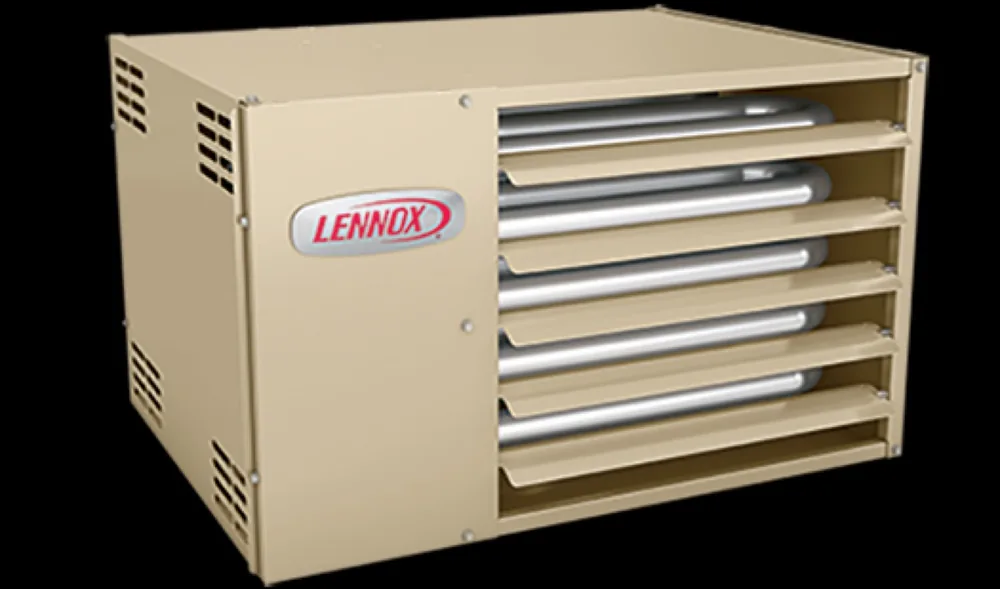

Garage Heaters for Chicago-Area Homes
Pure Comfort installs gas garage heaters from Lennox, Modine and Sterling, sized for your garage space, insulation, target temperature and available gas and electrical supply.

456 Google Reviews

Your Peace of Mind

Flexible Options

We're Here Anytime

Guaranteed
How Garage Heating Differs from Home Heating
Garages often have large doors, higher ceilings, exposed walls and more air leakage than finished rooms. Those conditions can create a much higher heating load than the floor area suggests.
The way the space will be used also matters. Occasional workshop use, daily comfort and freeze protection can require different temperatures, controls and equipment capacity.
Common Garage Heater Considerations
- Fuel and PowerAvailable gas service, electrical capacity and operating preferences help determine which equipment categories are practical for the space.
- Mounting and VentingCeiling height, equipment clearances, vehicles, doors, storage and the available vent route all affect placement.
- Temperature ControlsThermostat location and control range should reflect how the garage is used and how quickly conditions change when exterior doors open.
Garage Heaters: Good, Better, Best
We install gas garage heaters from Lennox, Modine and Sterling. The right one depends on your garage, how you use it and your budget. Here is how the main types compare.
Power-Vented Unit Heaters
The popular choice for attached and detached garages. Hangs from the ceiling and vents through a wall or roof.
- Compact, ceiling-hung
- About 80 to 84% efficient
- Best value for most garages
Separated-Combustion Heaters
Pulls combustion air from outside, so dust, sawdust and car or chemical fumes stay out of the burner.
- Sealed combustion with outside air
- Best for workshops and dusty garages
- Longer life in harsh conditions
Condensing Unit Heater
Ultra-high efficiency for big garages, shops and anyone heating every day all winter.
- Up to 97% thermal efficiency
- Modulates to match the load
- PVC venting
Compare garage heaters
| Heater | Type | Efficiency | Good for | Details |
|---|---|---|---|---|
| Good · Power-vented unit heaters | ||||
| Lennox LF25 | Power vented | Up to 83.8% AFUE | Most attached garages, 30,000 to 105,000 BTU | Manufacturer ↗ |
| Modine Hot Dawg HD | Power vented | Standard efficiency | Popular all-round garage heater | Manufacturer ↗ |
| Sterling GG Series | Low-profile power vented | 82% thermal | Garages with low ceilings | Manufacturer ↗ |
| Better · Separated-combustion heaters | ||||
| Lennox LS25 | Separated combustion | 82% AFUE | Workshops, dusty or corrosive air | Manufacturer ↗ |
| Modine Hot Dawg HDS | Separated combustion | Standard efficiency | Woodshops, car work | Manufacturer ↗ |
| Best · Condensing unit heater | ||||
| Sterling Nexus | Condensing, modulating | Up to 97% thermal | Large shops, daily heating | Manufacturer ↗ |
Ratings from lennox.com and sterlinghvac.com as of October 2026. We size the heater to your garage and handle the gas line, venting and permit.
When a Garage Heater May Be Worth Considering
Garage heat may support workshops, vehicle storage, hobby spaces or areas where plumbing and stored materials need protection from freezing.
The expected result should be clear before equipment is selected. Keeping a garage above freezing requires a different design than maintaining room-like comfort throughout winter.
Features to Compare
Two Garages the Same Size Can Need Different Heaters
Choosing the Right Capacity and Setup
Garage heaters should not be sized from square footage alone. Ceiling height, insulation, door area, air leakage, exposed walls and the desired indoor temperature all affect the load.
Two garages of the same size may need different equipment. Pure Comfort evaluates the actual space and utilities before recommending a heating approach.
Installation and Space Compatibility
The heater must fit the available mounting area while maintaining required clearances from doors, vehicles and storage. Fuel or electrical supply, venting, combustion air and thermostat placement also need to be planned.
Pure Comfort tests ignition, safety operation, venting, airflow and thermostat response after installation and keeps the equipment accessible for future service.
Why Choose Pure Comfort for Garage Heating
Reviews insulation, ceiling height, doors and air leakage
Plans mounting, utilities, venting and controls together
In-house team for the included installation work
Practical recommendations based on how the space will be used
Related Services and Guides
Frequently Asked Questions
How is a garage heater sized?
Square footage, ceiling height, insulation, garage-door leakage, exposed walls and target temperature all affect the required capacity.
Does the garage need to be insulated?
A heater can operate in a poorly insulated space, but heat loss will increase the required capacity, runtime and operating cost. Insulation can materially affect performance.
Where can a garage heater be mounted?
Placement depends on equipment clearances, airflow, doors, vehicles, storage, venting and service access. The layout must be evaluated before installation.
Can a garage heater maintain a lower setback temperature?
Many control setups can support lower settings, subject to the thermostat, equipment and intended use of the space.
Licensed, certified and accredited
- Lennox Premier Dealer
- NATE-certified technicians
- EPA Section 608 certified
- BBB Accredited Business
- Licensed business in the Village of Streamwood
- Registered Illinois LLC
- Fully insured